
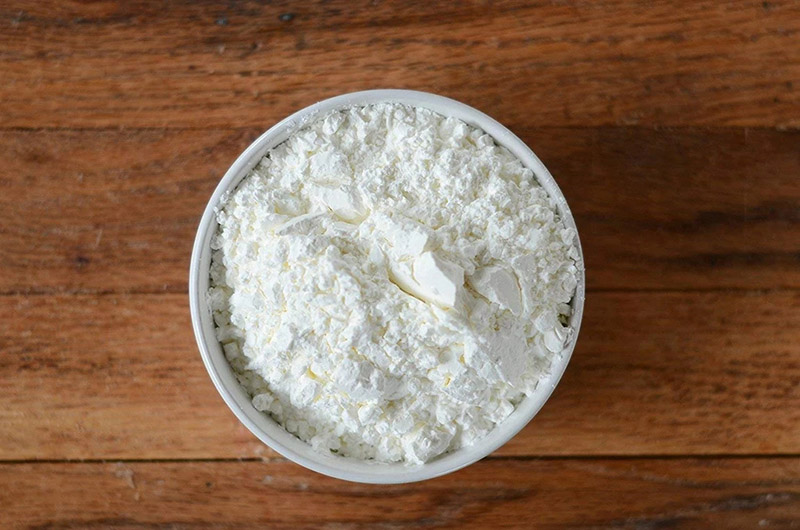
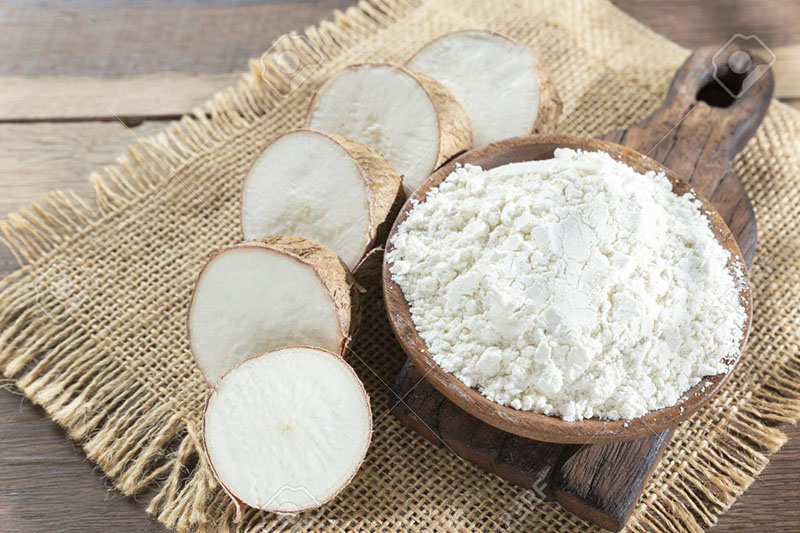
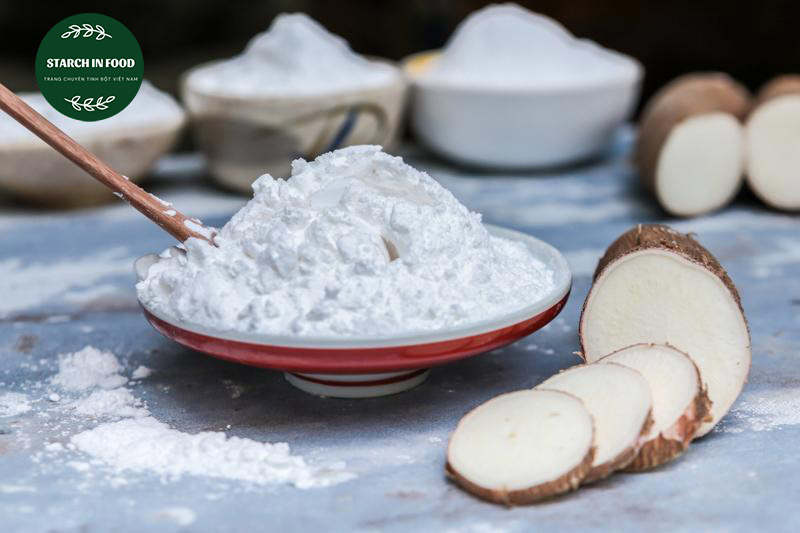
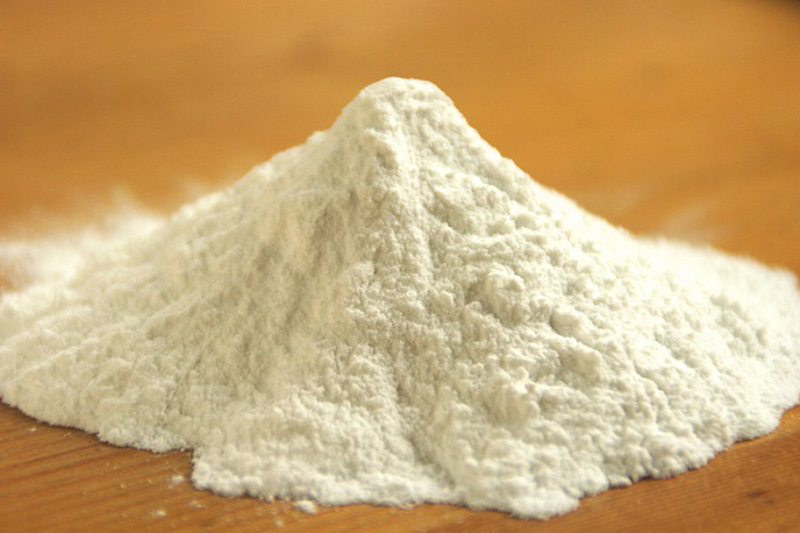
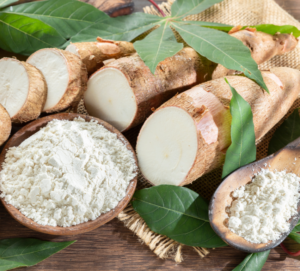
Modified Cassava Starch
| Specification | Please contact our WhatsApp/WeChat/Email (24/07) |
| Origin | Vietnam |
| Quotation/ Price/Brand | Please contact our WhatsApp/WeChat/Email (24/07) |
| Payment | Negotiate (L/C at sight or T/T in advance) |
| Delivery | As per customer’s request |
| Packing | 25kgs/bag, 50kgs/bag, 650kgs/jumbo bag, 850kgs/jumbo bag or as buyer’s request / OEM |
| Storage | Store in a cool, dry, ventilated area |
| Shelf life | 24 months in cool, dry conditions after production. |
Modified Cassava Starch
Modified starch is a type of starch that has been altered using physical and chemical methods to enhance or adjust specific properties such as viscosity, substitution level, adhesion, and gelatinization temperature compared to native starch. In some cases, the characteristics of native starch do not meet the requirements in manufacturing and processing. Therefore, modifying starch properties to obtain a starch type that meets the required features is necessary.
The most common types of modified starch include:
- ACETYLATED STARCH E1420
- PHOSPHATED STARCH E1412
- ACETYLATED DISTARCH ADIPATE E1422
- ACETYLATED DISTARCH PHOSPHATE E1414
- OXIDIZED STARCH E1404
1. ACETYLATED STARCH E1420
Acetylated Starch E1420 is produced by reacting starch with Acetic anhydride or Vinyl Acetate. This modification prevents gelling, syneresis, and helps maintain the original surface texture. It also enhances the stability of gelatinization, improves water retention, lowers gelatinization temperature, slightly increases viscosity, and improves transparency.
Characteristics:
- Prevents degradation, gelling, and syneresis.
- Enhances stability during gelatinization and thawing, improves water retention.
- Lowers gelatinization temperature.
- Increases viscosity and transparency for improved product surface quality.
Applications:
Acetylated Starch E1420 is used in industries such as instant noodles, vermicelli, frozen fast foods, ice cream, rice paper, sponge cakes, dumplings, and aquaculture feed.
2. PHOSPHATED STARCH E1412
Phosphated Starch E1412 is produced by increasing the cross-linking bonds within the molecular structure of starch. This cross-linking process strengthens soft starch types, resulting in a thicker and more stable paste that resists breakdown during extended cooking, acidic environments, or vigorous stirring.
This type of starch is also suitable for applications with low pH, high temperature, and mechanical processing.
Characteristics:
- Enhances elasticity and replaces borax in fish cakes, pork rolls, beef balls, and fish balls.
- Acts as a thickening agent in bread, instant noodles, vermicelli, and other noodle products.
- Functions as a stabilizing agent to improve product consistency.
- Strengthens soft starch, making cooked paste thicker and more durable.
Applications:
Phosphated Starch E1412 is used in products such as rice noodles, vermicelli, gummy candies, ham, meatballs, fish balls, sausages, and fish cakes.
3. ACETYLATED DISTARCH ADIPATE E1422
Acetylated Distarch Adipate E1422 is modified by treating starch with Adipic Anhydride and Acetic Anhydride to create a white powder or granules (if pregelatinized). This type of starch modification improves thermal stability. As a dual-modified starch, it exhibits the properties of both Acetylated Starch and Cross-linked Starch.
Acetylated Distarch Adipate E1422 is highly stable during freezing and thawing cycles, provides excellent transparency, maintains stability at high temperatures, and prevents retrogradation over time. These properties make it an effective thickener and stabilizer in food processing.
Characteristics:
- Excellent heat stability and durability in acidic environments.
- Superior water retention and long-term stability, reducing syneresis in frozen products.
- Prevents retrogradation and maintains smooth texture in thickened products.
- Enhances viscosity and improves product surface quality.
Applications:
Acetylated Distarch Adipate E1422 is widely used in ketchup, tomato sauces, vegetable sauces, mayonnaise, canned meat, canned fish, fish balls, jams, jellies, cupcakes, muffins, pastries, biscuits, puddings, yogurt, and ice cream.
4. ACETYLATED DISTARCH PHOSPHATE E1414
Acetylated Distarch Phosphate E1414 is a dual-modified starch created by treating starch with Phosphorus Oxychloride and Vinyl Acetate. It combines the advantages of Acetylated Starch and Cross-linked Phosphate Starch.
This starch is highly stable during freezing and thawing, provides good transparency, and prevents structural degradation over time. As a result, Acetylated Distarch Phosphate E1414 is used as a stabilizer, thickener, and emulsifier in food production.
Characteristics and Applications:
- Stabilizer: Maintains even dispersion of ingredients in food.
- Emulsifier: Helps form or preserve emulsions, such as mixing oil and water.
- Thickener: Increases the viscosity of food products.
Applications:
Acetylated Distarch Phosphate E1414 is commonly used in canned foods, chili sauce, ketchup, soy sauce, various sauces, meatballs, and fish balls.
5. OXIDIZED STARCH E1404
Oxidized Starch E1404 is processed using different oxidizing agents to obtain modified starch. Under oxidation, glucosidic bonds break, leading to a shorter molecular structure. The starch granule structure may also be partially disrupted, making the starch more fluid and improving its film-forming properties.
This type of starch enhances whiteness, reduces microbial content, forms thin films, absorbs less water, and provides high gloss and flexibility. Additionally, it reduces retrogradation during gel-based product production and storage.
Oxidized starch is an excellent thickener for soft gel-like products with low hardness. Its dissolved solution remains clear over long storage periods, making it ideal for canned soups and confectionery requiring transparency.
Oxidized starch is also widely used for paper coating in the paper industry and textile sizing in the textile industry.
Characteristics:
- Excellent film-forming properties.
- Reduces water absorption and oxidation.
- Provides a glossy, smooth product surface.
Applications:
Oxidized Starch E1404 is widely used in food processing industries, including confectionery, gummy candies, and canned sauces. It is also heavily utilized in the paper and textile industries.
Be the first to review “Modified Cassava Starch”
Frequently asked questions
What types of T&D VIETNAM specialize in exporting?
T&D VIETNAM specializes in exporting high-quality cassava starch, including both native and modified cassava starch, to meet the diverse needs of international markets.
How does T&D VIETNAM ensure the quality of its exported products?
We maintain strict quality control throughout the production process, adhering to international standards such as ISO and HACCP certifications, ensuring that our products consistently meet the highest quality expectations.
What are the primary markets that T&D VIETNAM EXPORT COMPANY serves?
Our primary export markets include Asia, Europe, and North America, where we supply industries ranging from food processing to pharmaceuticals and paper production.
How does T&D VIETNAM support customer-specific requirements for product customization?
We work closely with clients to understand their specific needs and offer customized product solutions, including tailored packaging, moisture content adjustments, and product variations to meet different industrial requirements.
What are the typical payment terms offered by T&D VIETNAM for international buyers?
We offer flexible payment options, including Letters of Credit (LC), Telegraphic Transfers (TT), and other secure payment methods, ensuring smooth and secure transactions for our international partners.
How does T&D VIETNAM handle logistics and shipping for international orders?
We manage the logistics process from production to delivery, offering sea, air, and land transport options, depending on the client’s location and preferences. Our experienced logistics team ensures timely and cost-effective deliveries.
What kind of support does T&D VIETNAM offer for customers facing import regulations?
We provide detailed export documentation, including certificates of origin, commercial invoices, and customs clearance assistance to help clients navigate complex import regulations in their countries.
How can potential buyers request a product sample from T&D VIETNAM?
Potential buyers can easily request product samples by contacting our sales team. We are happy to provide samples for quality evaluation and product testing before finalizing large orders.
What sustainability practices does T&D VIETNAM implement in its production process?
T&D VIETNAM is committed to sustainable practices, from sourcing raw materials responsibly to minimizing waste and optimizing energy use throughout the production and export process.
How does T&D VIETNAM handle large-volume or recurring orders?
We have the capacity to handle large-volume orders and offer tailored solutions for recurring shipments. Our team works closely with customers to ensure consistent supply and meet long-term business needs.

Reviews
There are no reviews yet.