Modified Cassava Starch: A Versatile Ingredient for Global Industries
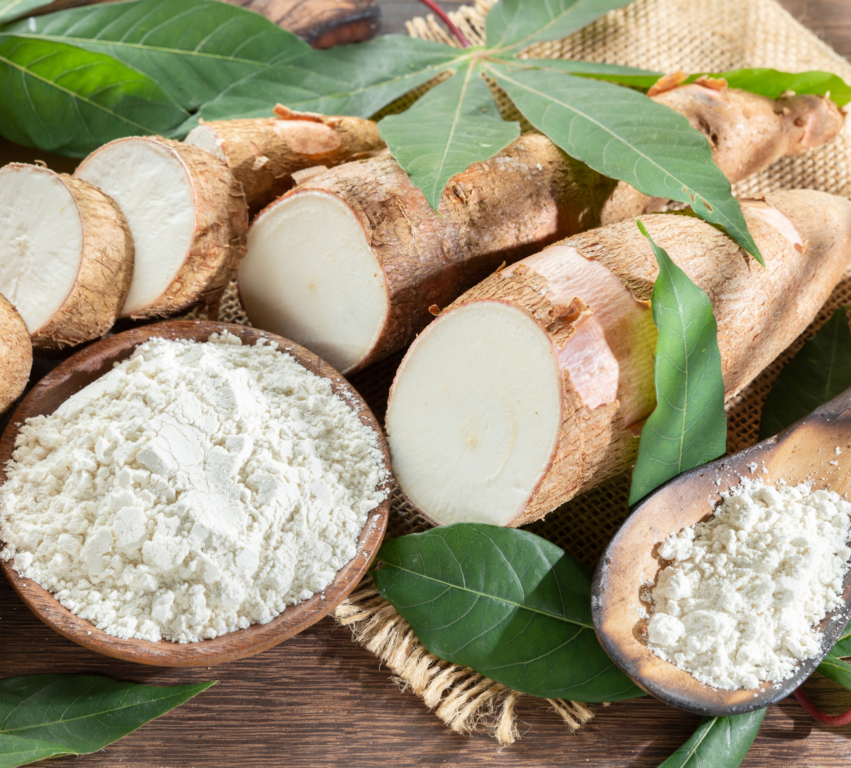
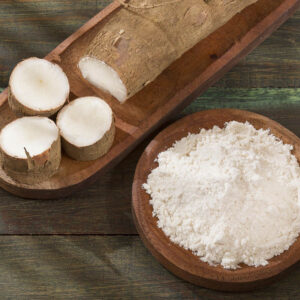
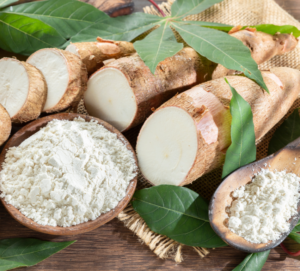
Modified Cassava Starch is a starch extracted from the cassava plant, which is then chemically or physically treated to enhance its properties for specific industrial applications. Unlike Native Cassava Starch, which is used in its natural form, Modified Cassava Starch undergoes modifications that improve its stability, resistance to heat, pH, and other conditions, making it highly adaptable to diverse industries such as food production, textiles, paper, and pharmaceuticals.
Cassava, or Manihot esculenta, is a tropical root crop primarily grown in Africa, Asia, and Latin America. It is known for its high starch content and ability to thrive in poor soils with minimal input. This makes cassava a sustainable and valuable crop for starch production. With modifications, cassava starch gains new functionalities that increase its versatility and appeal to global markets.
This article explores the key attributes, applications, and growing market demand for Modified Cassava Starch, offering insights into how it supports various industries worldwide.
The Modification Process: Enhancing Starch Properties
Modified Cassava Starch is produced by altering the structure of native cassava starch through physical, chemical, or enzymatic processes. These modifications improve the starch’s functionality for specific industrial uses. Common types of modifications include:
- Oxidation: This process enhances the starch’s viscosity and creates a starch with better stability in food products.
- Cross-linking: Cross-linked starch is more resistant to high temperatures, mechanical stress, and acidic environments, making it suitable for sauces, dressings, and soups.
- Esterification: This modification improves starch solubility and its ability to form films, which is useful in the pharmaceutical and cosmetic industries.
- Acid Treatment: Acid-modified starches are used in products requiring a smooth texture, such as custards and other food products.
These processes allow Modified Cassava Starch to outperform native starch in many applications, making it an essential ingredient in numerous industries.
Applications of Modified Cassava Starch in Various Industries
The versatility of Modified Cassava Starch comes from its ability to function in a wide range of environments, making it indispensable in several key industries:
1. Food Industry
Modified Cassava Starch is widely used in the food industry as a thickener, stabilizer, and emulsifier. It improves the texture, consistency, and shelf life of food products. Key applications include:
- Dairy Products: Used to stabilize yogurt, ice cream, and cheese, ensuring smooth texture and extended shelf life.
- Baked Goods: Helps improve dough elasticity and moisture retention, making baked goods softer and fresher for longer.
- Processed Foods: Enhances the texture and stability of soups, sauces, and ready-to-eat meals.
2. Textile Industry
In the textile industry, Modified Cassava Starch is used for sizing yarn, a process that strengthens the yarn and improves weaving efficiency. The starch helps reduce yarn breakage and gives the finished fabric a smoother texture. It also plays a role in textile finishing, providing stiffness to fabrics and making them easier to handle and print on.
3. Paper Industry
The paper industry relies on Modified Cassava Starch to improve paper quality. It acts as a binder, enhancing the strength and durability of paper products, and is used in surface sizing to improve printability and smoothness. Modified starch also reduces dusting and increases the water resistance of paper, making it suitable for packaging applications.
4. Pharmaceutical Industry
In the pharmaceutical industry, Modified Cassava Starch is used as a disintegrant in tablet production. It helps tablets break down properly once ingested, ensuring that the active ingredients are absorbed quickly and effectively. Additionally, the starch is used as a binder and thickener in medicinal syrups and creams.
5. Adhesives and Biodegradable Materials
Modified Cassava Starch is an eco-friendly alternative in the adhesives industry, offering strong bonding properties for paper products, cardboard, and packaging materials. Moreover, with the rise in demand for sustainable packaging solutions, Modified Cassava Starch is being used in the production of biodegradable plastics, helping reduce reliance on petroleum-based plastics.
Global Market Trends and Demand for Modified Cassava Starch
The global market for Modified Cassava Starch is growing rapidly due to several key factors:
1. Increased Demand for Processed Foods
The rising consumption of processed and convenience foods, particularly in urban areas, has driven the demand for Modified Cassava Starch. Its ability to enhance texture, improve shelf life, and maintain stability under extreme processing conditions makes it essential in food manufacturing.
2. Sustainability and Environmental Awareness
As industries focus on reducing their environmental footprint, Modified Cassava Starch is gaining attention as a renewable, biodegradable, and environmentally friendly ingredient. Its use in eco-friendly packaging materials and biodegradable plastics is expected to grow as companies seek greener alternatives.
3. Growth in Emerging Markets
Emerging markets in Asia, Africa, and Latin America are seeing increased production and use of cassava starch. With the expansion of industries such as food and textiles in these regions, the demand for Modified Cassava Starch is set to rise, providing economic opportunities for cassava producers and manufacturers.
4. Technological Advancements
Ongoing research and development in starch modification techniques are leading to new applications and improved starch products. Innovations in processing and modification methods are expected to further enhance the performance of Modified Cassava Starch in various industrial applications.
Challenges in the Modified Cassava Starch Industry
While the market for Modified Cassava Starch is expanding, the industry faces several challenges:
1. Price Volatility
Fluctuations in cassava prices due to variable crop yields, weather conditions, and agricultural productivity can impact the cost of Modified Cassava Starch, affecting its competitiveness in the global market.
2. Competition with Other Starches
Modified Cassava Starch competes with other modified starches such as corn, wheat, and potato starch, which are more widely established in some markets. Overcoming this competition requires highlighting the unique advantages of cassava starch, such as its gluten-free nature and ability to thrive in low-resource environments.
3. Supply Chain and Logistics
Ensuring a reliable supply chain from cassava farmers to manufacturers is essential for maintaining product quality. The perishable nature of cassava roots means that efficient processing and logistics are key challenges in the production of Modified Cassava Starch.
The Future of Modified Cassava Starch
The outlook for Modified Cassava Starch is positive, with several key trends expected to drive future growth:
1. Expansion of Eco-Friendly Products
With increasing pressure on industries to adopt sustainable practices, the use of Modified Cassava Starch in biodegradable plastics, natural adhesives, and eco-friendly packaging is set to grow. This creates opportunities for starch producers to tap into the growing demand for environmentally responsible materials.
2. Technological Improvements
Advances in starch modification processes are expected to result in new applications and improved performance characteristics, expanding the potential uses of Modified Cassava Starch in industries such as food, pharmaceuticals, and textiles.
3. Integration into New Markets
As global markets continue to evolve, the use of Modified Cassava Starch is expected to expand into new regions and industries. Growth in emerging economies, combined with increasing demand for processed foods and biodegradable materials, will contribute to the starch’s continued rise in global significance.
Modified Cassava Starch is a valuable and versatile ingredient with applications across multiple industries. Its ability to meet the specific needs of various sectors, from food production to sustainable packaging, positions it as a key player in the global market for starch products. As industries shift towards more sustainable, natural, and high-performance materials, the demand for Modified Cassava Starch is set to increase, offering significant opportunities for producers and manufacturers worldwide.
