Native Cassava Starch: A Sustainable Solution for Multiple Industries

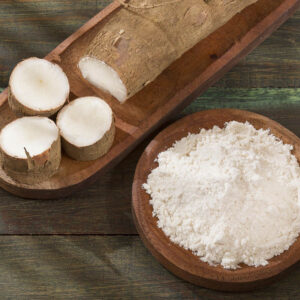
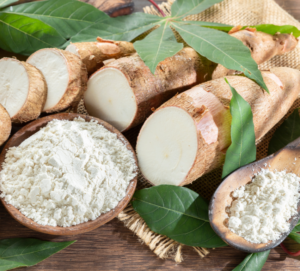
Native Cassava Starch, extracted from the roots of the cassava plant, has emerged as one of the most versatile and widely used natural starches globally. Known for its white color, fine texture, and superior binding and thickening properties, Native Cassava Starch is utilized across a wide range of industries, from food processing to pharmaceuticals, paper, textiles, and adhesives. Its natural origin and minimal processing make it an eco-friendly alternative to synthetic additives and starches derived from other crops such as corn or potatoes.
Cassava, also known as Manihot esculenta, is a tuber crop predominantly grown in tropical regions, with significant cultivation in Africa, Asia, and Latin America. The root’s starch content, which can be as high as 30-35%, makes it an attractive option for industrial starch extraction. In a world increasingly focused on sustainability, Native Cassava Starch is gaining popularity for its minimal environmental impact, scalability, and versatility.
This article delves into the key attributes, applications, global market trends, and the future potential of Native Cassava Starch, highlighting why it is becoming a key player in the global starch industry.
The Extraction Process: From Cassava Root to Starch
The production of Native Cassava Starch is relatively straightforward, involving the extraction of starch from freshly harvested cassava roots. The process typically includes the following stages:
- Washing and Peeling: The cassava roots are thoroughly cleaned to remove dirt and debris. They are then peeled to eliminate the outer skin.
- Crushing or Grating: The cleaned and peeled cassava is grated or crushed to release the starch. This is often done using mechanical graters in large-scale production.
- Starch Extraction: The grated cassava is mixed with water and the starch is separated by filtering the mixture through fine screens or centrifugation. The water carries away impurities, leaving pure starch behind.
- Drying: The extracted starch is dried to reduce its moisture content, ensuring it is ready for packaging and storage.
This natural process does not involve any chemical modification, making Native Cassava Starch a clean-label ingredient that meets the growing consumer demand for transparency and minimal processing in food and other products.
Applications of Native Cassava Starch in Various Industries
The properties of Native Cassava Starch make it highly adaptable for a range of industrial applications. Its flexibility, biodegradability, and excellent thickening, binding, and film-forming abilities ensure its widespread use in many sectors.
1. Food Industry
One of the primary uses of Native Cassava Starch is in the food industry, where it serves as a thickener, stabilizer, and texture enhancer. Due to its neutral taste and high purity, it is used in products such as:
- Sauces and Soups: Native Cassava Starch provides the right viscosity and thickness, giving sauces and soups a smooth texture without altering their flavor.
- Baked Goods: In gluten-free baking, it is a key ingredient for improving dough elasticity and giving baked goods a light and fluffy texture.
- Noodles and Snacks: It helps in binding ingredients and improving the texture of noodles, chips, and other snack foods.
With the rise of gluten-free diets and increasing demand for natural ingredients, Native Cassava Starch has become a preferred choice for food manufacturers.
2. Textile Industry
In the textile sector, Native Cassava Starch is used in the sizing of yarns to strengthen them before weaving. It acts as a protective layer, reducing breakage and enhancing the efficiency of the weaving process. Cassava starch is also used in fabric finishing, providing a smooth surface and adding stiffness to the fabric.
3. Paper Industry
Native Cassava Starch is widely used in paper manufacturing to improve paper strength, brightness, and printability. It is an excellent adhesive for binding paper fibers, resulting in stronger and more durable paper products. Additionally, it enhances the surface properties of paper, making it more suitable for printing and writing.
4. Pharmaceutical Industry
The pharmaceutical industry uses Native Cassava Starch as a disintegrant in tablet production, allowing tablets to break down easily upon ingestion for faster absorption of active ingredients. Its natural origin, safety, and inertness make it a preferred choice in pharmaceutical formulations.
5. Adhesives and Biodegradable Plastics
Native Cassava Starch is a key ingredient in the production of natural adhesives, offering an eco-friendly alternative to synthetic glues. Its adhesive properties are valuable in the packaging industry, particularly in paper products and corrugated cardboard manufacturing.
Moreover, as the world moves towards more sustainable packaging solutions, Native Cassava Starch is playing a role in the development of biodegradable plastics. Blended with other biopolymers, cassava starch helps create environmentally friendly alternatives to conventional plastics, reducing plastic waste and pollution.
Global Market Trends and Demand for Native Cassava Starch
The global demand for Native Cassava Starch is experiencing steady growth, driven by multiple factors:
1. Rising Demand for Gluten-Free Products
With increasing awareness of gluten intolerances and celiac disease, consumers are shifting towards gluten-free products. Native Cassava Starch, which is naturally gluten-free, is finding favor with food manufacturers aiming to cater to this expanding market.
2. Sustainability and Eco-Friendly Materials
As industries move towards sustainability and seek alternatives to environmentally damaging materials, Native Cassava Starch’s biodegradability and renewable nature make it an attractive option. From packaging solutions to natural adhesives, cassava starch is gaining ground as a green alternative in various sectors.
3. Asia’s Dominance in Production
Asia, particularly Thailand, Vietnam, and Indonesia, is the world’s leading producer of cassava and cassava-based products. These countries account for the majority of global cassava starch exports, benefiting from favorable climatic conditions and the growing global market for starch-based products.
4. Food Security and Agricultural Development
Cassava is a drought-resistant crop that requires relatively low input, making it an important staple food in many developing countries. Its ability to thrive in poor soils with minimal water positions it as a vital crop for ensuring food security in regions affected by climate change. Additionally, the cassava industry supports rural development and provides income for millions of smallholder farmers.
Challenges in the Cassava Starch Industry
Despite its many advantages, the cassava starch industry faces several challenges:
1. Price Fluctuations
The price of cassava starch is subject to fluctuations based on global demand and supply, weather conditions, and agricultural productivity. Unpredictable price variations can affect the competitiveness of cassava starch in the global market.
2. Logistical Constraints
The perishable nature of cassava roots means they must be processed shortly after harvest, making logistics and transportation a key challenge in cassava starch production. Ensuring efficient supply chains from farm to factory is critical to maintaining starch quality.
3. Competition with Other Starches
Cassava starch competes with other types of starch, such as corn and potato starch, which are more established in certain markets. For Native Cassava Starch to continue expanding its market share, its unique properties and benefits must be effectively communicated to potential users.
The Future of Native Cassava Starch
The outlook for Native Cassava Starch is bright, with several promising trends on the horizon:
1. Biodegradable Packaging
The ongoing push for sustainable packaging solutions is likely to boost demand for cassava starch in biodegradable plastic production. Governments and companies are increasingly focusing on reducing plastic waste, and cassava starch-based materials are well-positioned to become a part of this transition.
2. Expansion into New Markets
As food companies continue to innovate with gluten-free and plant-based products, the demand for natural, clean-label ingredients like Native Cassava Starch is expected to grow. This creates opportunities for cassava starch to enter new markets, particularly in health-conscious regions like North America and Europe.
3. Technological Advancements
Advancements in starch extraction technology and processing methods are likely to improve the efficiency and quality of Native Cassava Starch production. With better processing capabilities, cassava starch could see wider adoption in industries that require higher purity and performance.
Native Cassava Starch is a valuable natural resource with immense potential across multiple industries. Its environmental sustainability, versatility, and adaptability make it an attractive alternative to synthetic and other plant-based starches. As global demand for eco-friendly, natural products continues to rise, Native Cassava Starch is poised to play a vital role in the future of industrial manufacturing, food processing, and sustainable development.
